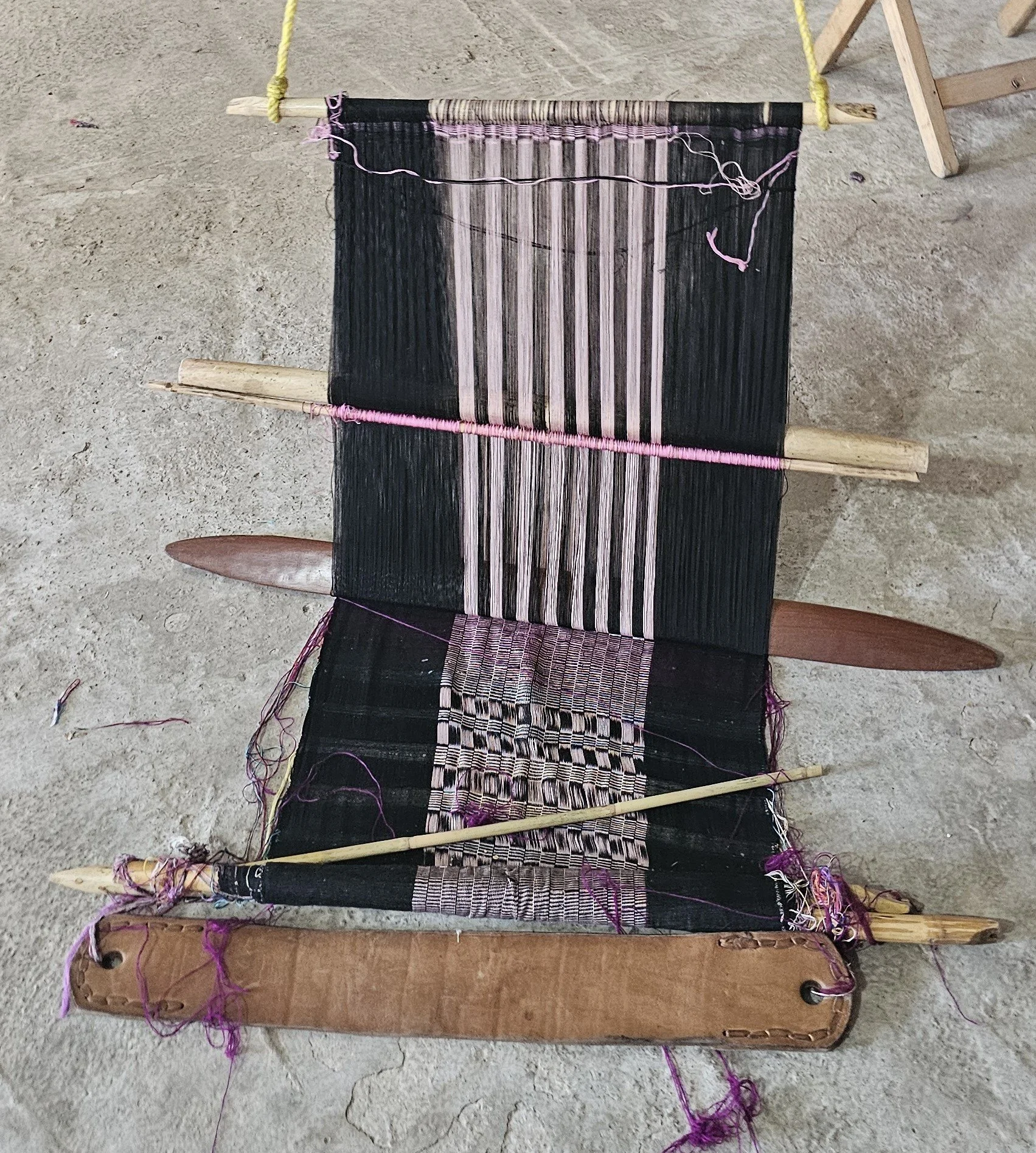
THE BACKSTRAP LOOM OR TELAR DE CINTURA
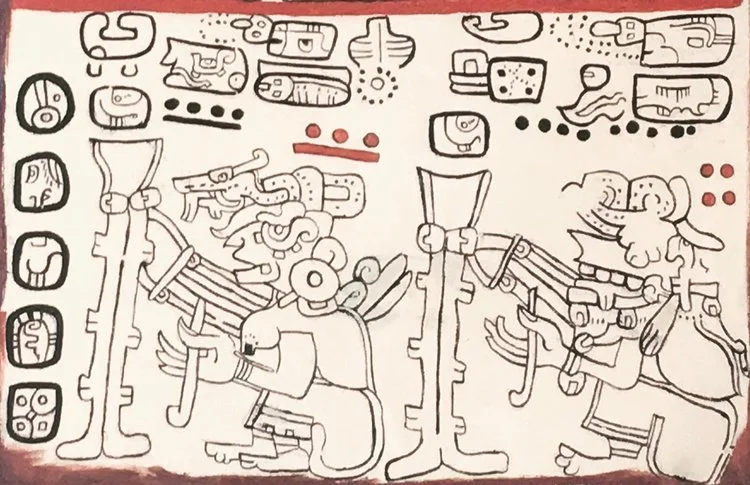
THE MAYAN TRO-CORTESIANO CODEX / THE MADRID CODEX
SHOWING THE TELAR DE CINTURA APPROX 3,475 YEARS AGO
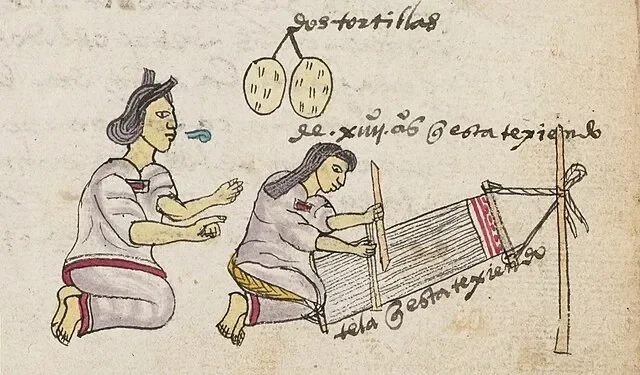
THE CODEX MENDOZA, AN AZTEC MANUSCRIPT FROM 1541
THE BACKSTRAP LOOM IS A LIVING PART OF INDIGENOUS CULTURE HAVING BEEN CONTINUOUSLY USED FOR OVER 4,500 YEARS. EXTENDING FROM MEXICO ALL THE WAY DOWN TO PERU, IT IS ONE OF THE OLDEST FORMS OF WEAVING, AND IS NOT JUST A DOMESTIC CHORE BUT IS STILL A SACRED ART FORM.
STARTING IN APPROXIMATELY 2400 B.C., ACCORDING TO ORAL TRADITION, IXCHEL (THE FEMININE ENERGY OF THE MOON IN YUCATEC MAYAN) INVENTED & GAVE THE MAYAN PEOPLE THE KNOWLEDGE OF WEAVING, WHILE HER DAUGHTER, IX CHEBEL YA'AX TAUGHT THEM EMBROIDERY.
TODAY IT STILL RESONATES WITH THE INDIGENOUS PEOPLE OF ANAHUAC ~ TAWANTINSUYU (NORTH AND SOUTH AMERICA) AS THE CLOTHES ARE STILL WORN IN MANY COMMUNITIES IN MEXICO AND SOUTH AMERICA.
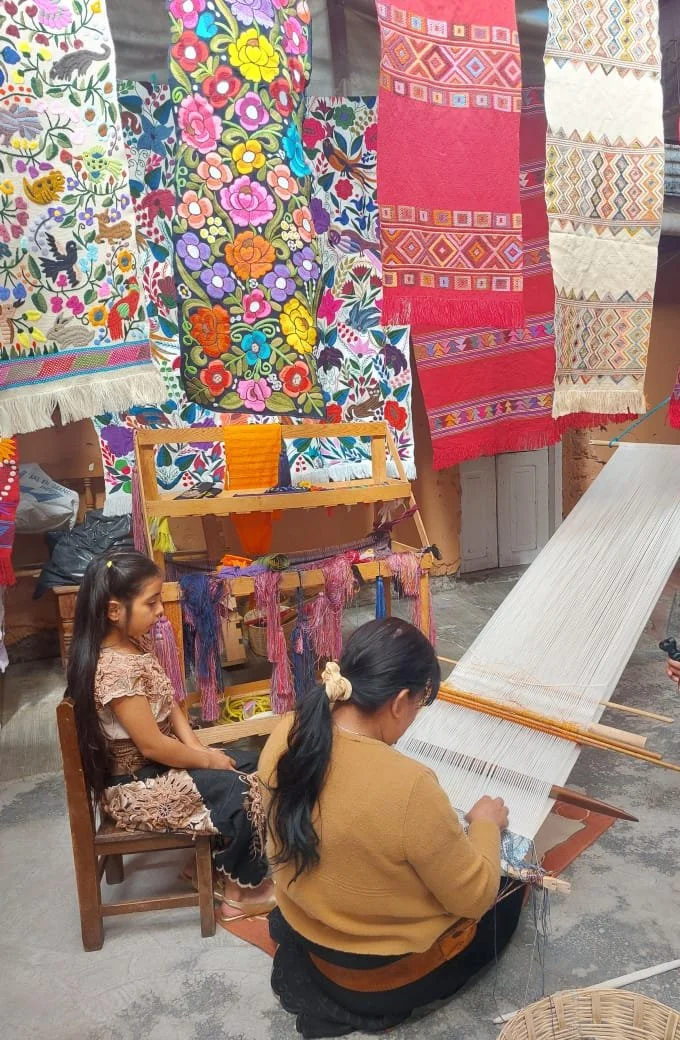
MODERN DAY IXCHEL & IX CHEBEL YA'AX
The symbols that are found embroidered into the clothing are meant to connect you with the energy found in nature, and the spirituality of the universe thus allowing you to re-connect to our ancestors, our people, and our culture.
For Maya weavers, clothing is a "woven language" where every color and pattern acts as a map of the universe or a record of communal history. Because the backstrap loom is physically tethered to the weaver, the process itself is seen as a sacred act of ‘birthing’ a textile that carries the soul and identity of the maker.
Core Cosmic & Nature Symbols
Some of the most common motifs that represent the relationship between humans, the spirit world, and the natural landscape are the diamond, the sun, and the snake.
The Diamond: One of the most ubiquitous symbols, it often represents the universe and the four cardinal directions. It also symbolizes the weaver herself—her body at the bottom and her work at the top.
The Sun: Frequently embroidered around the neck of a huipil (blouse), it symbolizes the wearer as the center of the universe, radiating energy.
The Serpent: Represents the god Kukulcan (or Gucumatz), the creator. Zigzag patterns evoke the serpent’s movement and can also symbolize mountains that provide protection and rain.
SYMBOLISM, COSMOLOGY, AND TRUE DESIGN
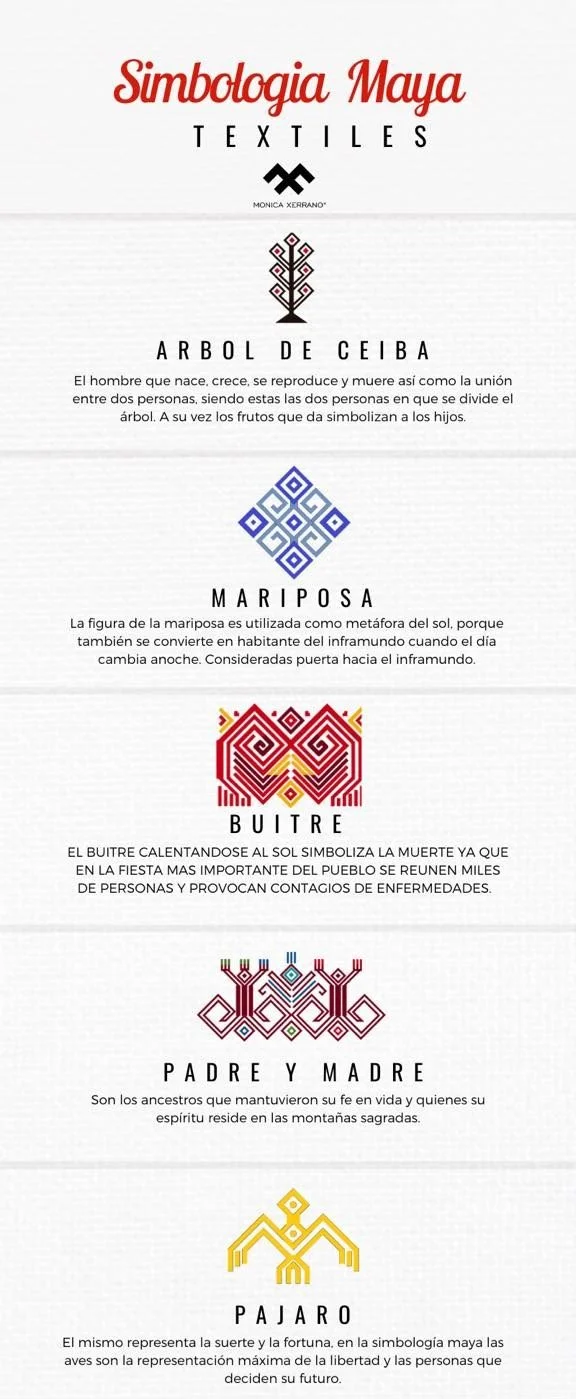
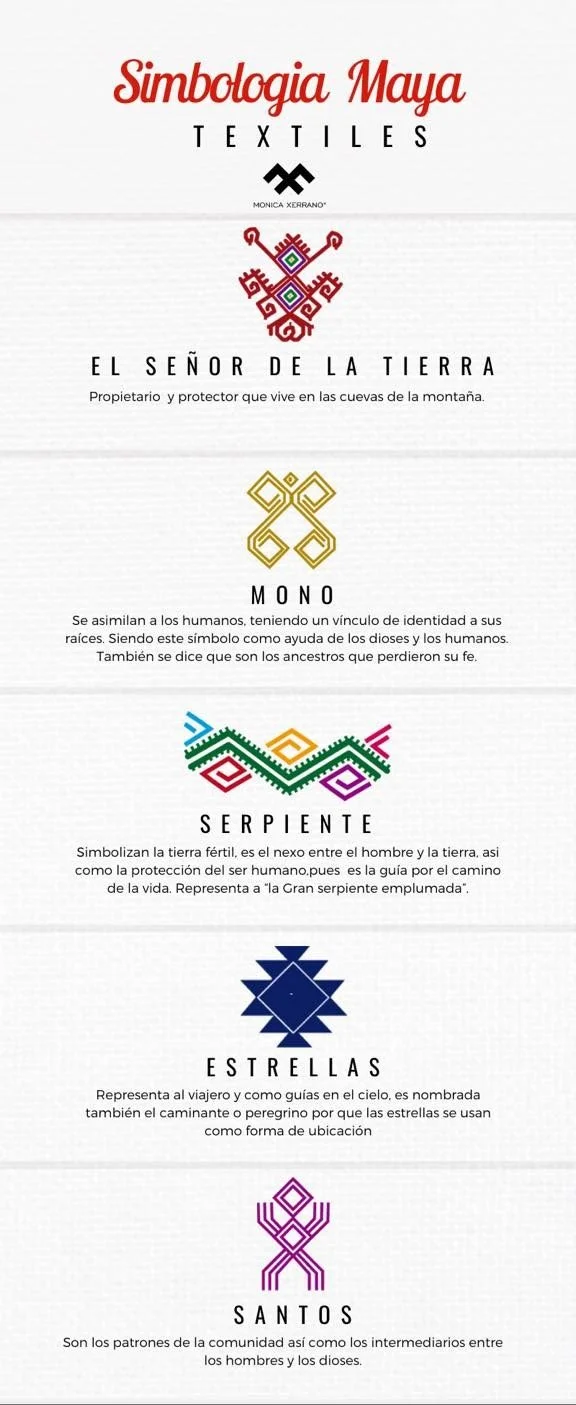
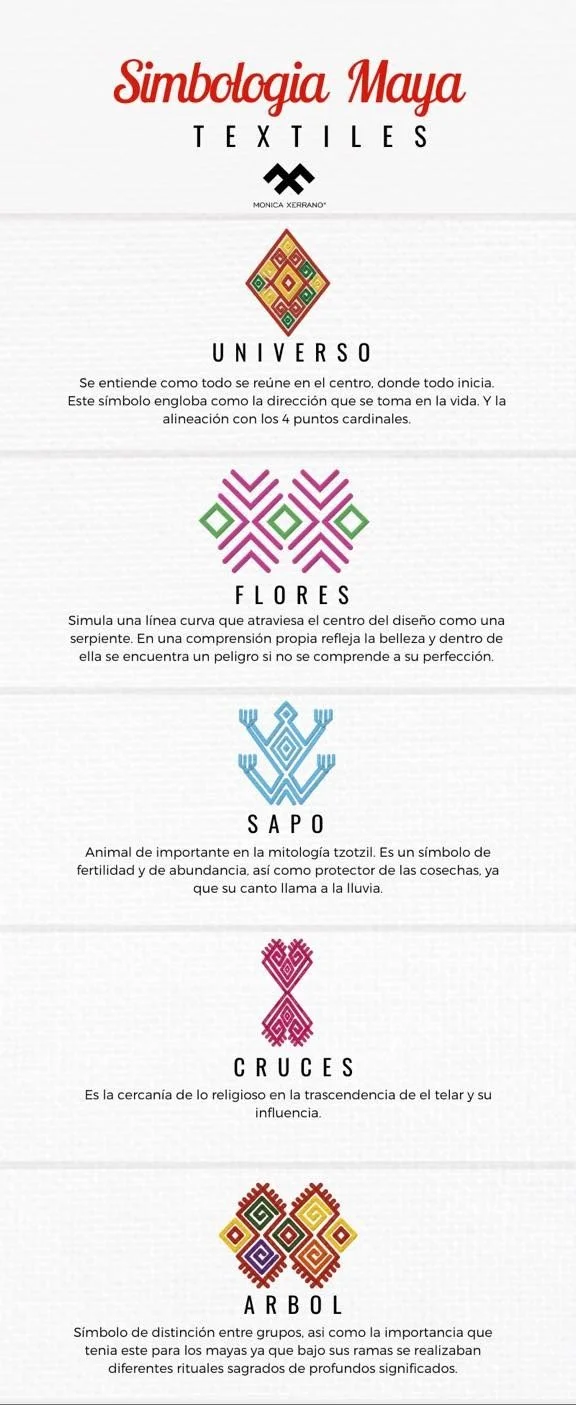
COSMOLOGY AND TRUE DESIGN
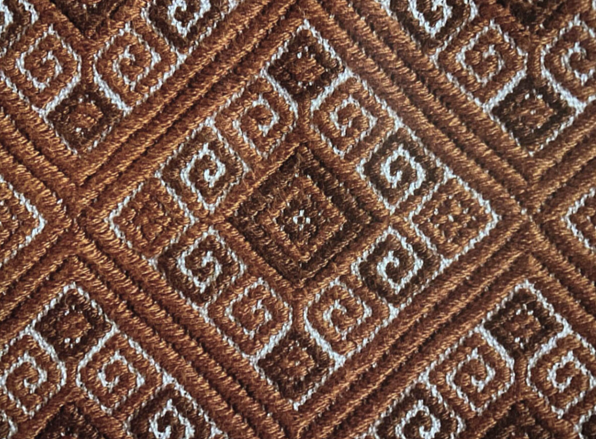
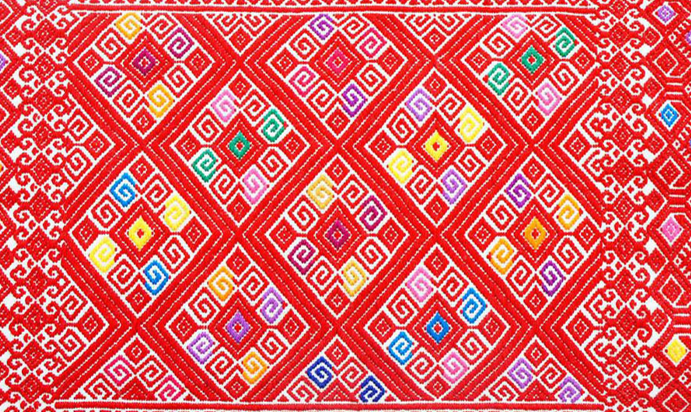
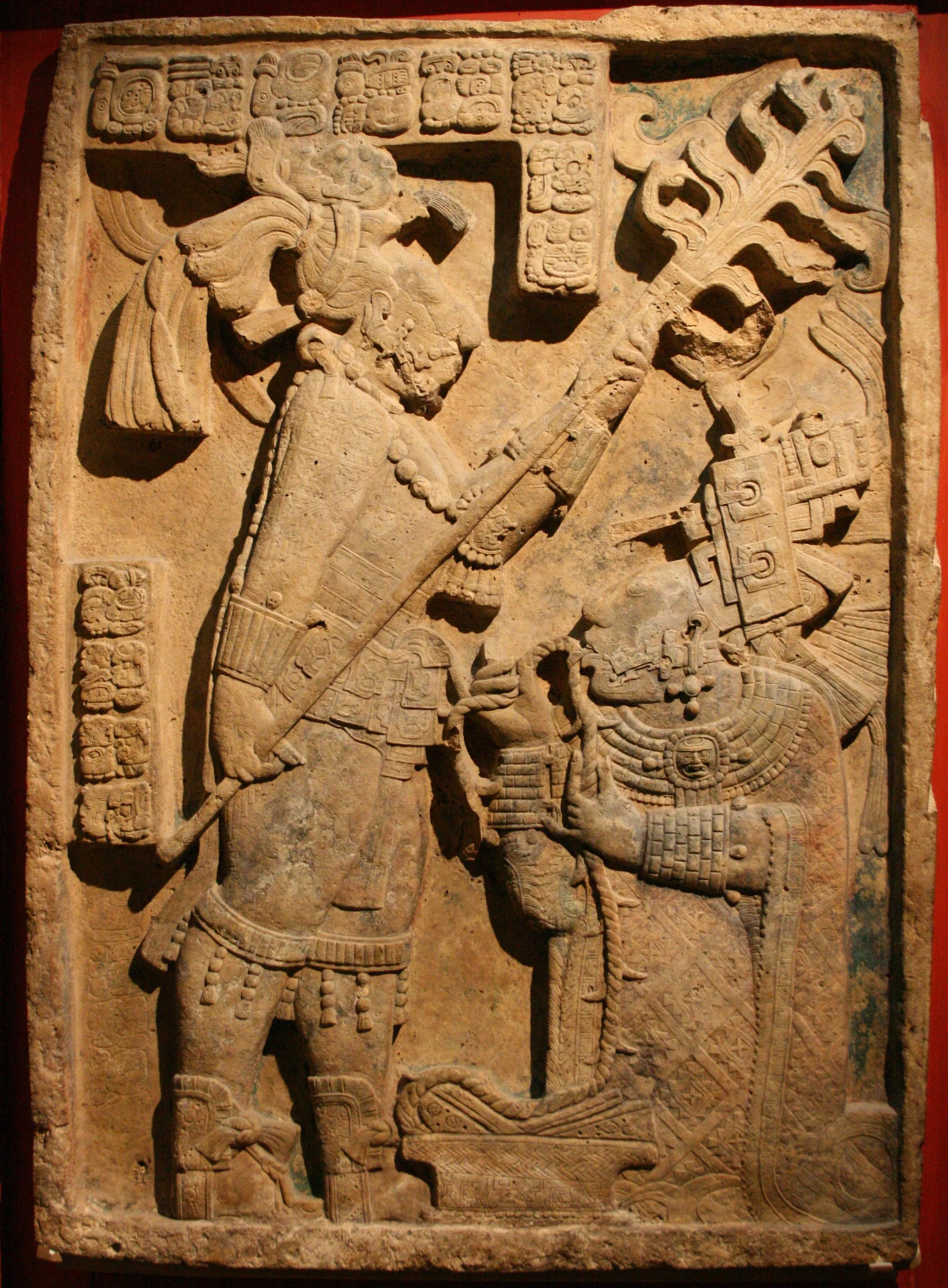
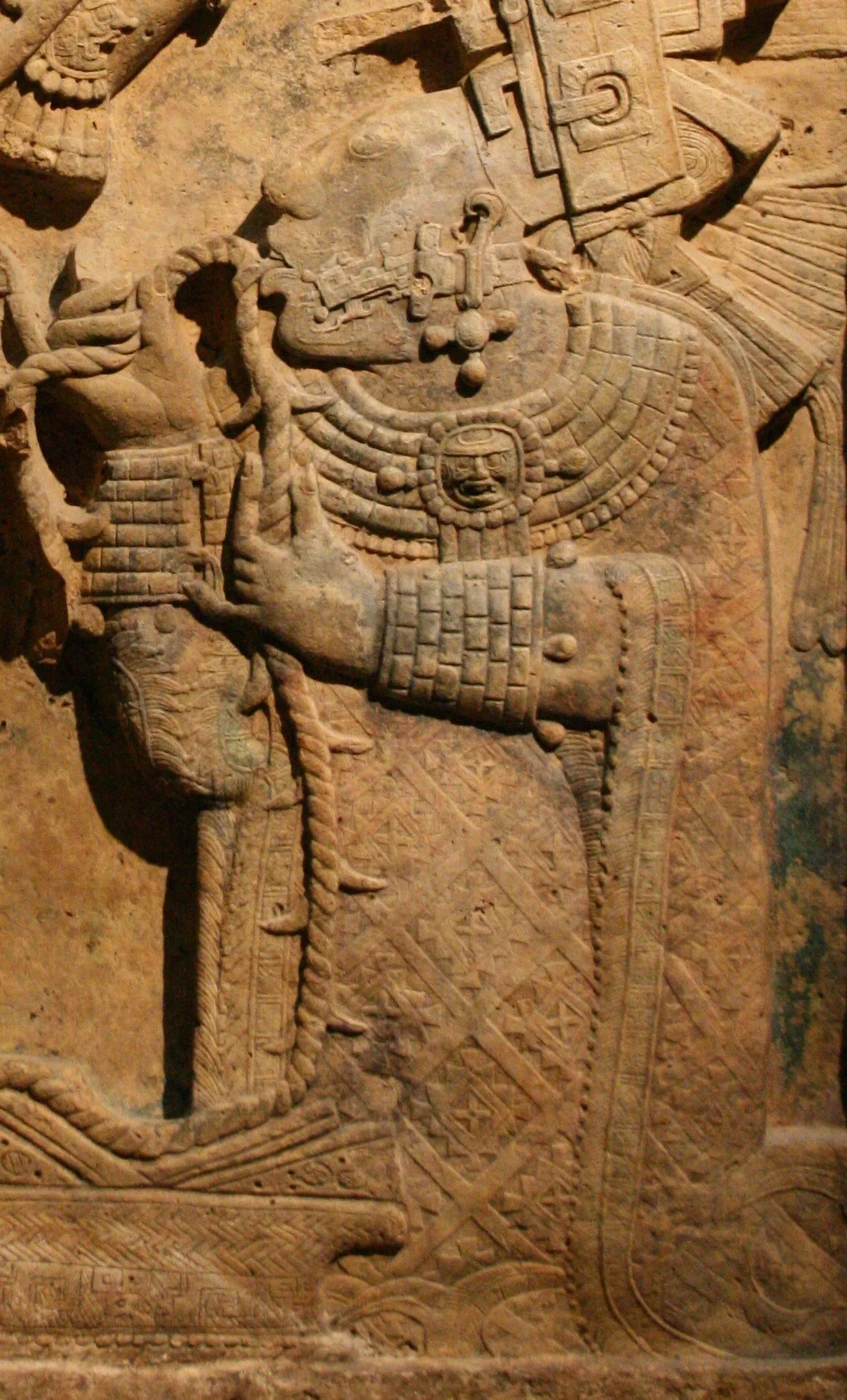
The Rhomboid is one of the most important and ubiquitous designs on textiles in highlands of Chiapas. It is a direct descendant of a design woven into the garment Lady Xoc of Yaxchilán wore in 709 C.E. All ceremonial huipils portray the world as a diamond. The four sides of the diamond represent the boundaries of space and time; the smaller diamonds at each corner, are the cardinal points.
It depicts the Maya cosmos, a quartered universe moving through time, uniting Earth and Sky. It also charts the path of Sun, from east (symbolised by the top diamond) to west (symbolised by the bottom diamond.) The design exists in various versions. In each viewers look straight down on Earth from just below the highest point in the heavens.
Five diamond designs mark the four cardinal directions and the central diamond may stand for the nadir, the lowest point under Earth where Sun passes through at midnight on its circle back to the east. The curls or spiny appendages suggest the intercardinal directions plus the rise and set points for the summer and winter solstices. The curls also evoke the World Tree, the great Ceiba tree that stood at the center of the universe. In the crooks of the branches of cosmograms weavers put dots of brightly colored threads which they call “the eyes” of the universe and which suggest stars. The inner diamond also has curls on each side that represent butterfly wings; called Pepen. It is the weavers’ symbol for the day sun. The butterfly is a metaphor for the sun because, like the sun, it inhabits the Underworld when day turns into night
Weavers represent the Sun in motion by repeating row after row of diamonds. The recovery of this design began in the 1930s when weavers from Tenejapa went to Chenalhó to learn how to brocade. They adapted the cosmogram in Chenalhó called muk ta luch to create what they dubbed the dog’s pawprint. Eventually Chenalhó weavers took this design back but refer to it as bats’i luch (true design).
When a Mayan woman puts on her huipil, she emerges, symbolically, in the axis of the world. The designs of the universe radiate around her head, extending over the sleeves and the body of the huipil to form an open cross with the woman in the middle. Here the supernatural and the ordinary meet. Here, in the very center of a world woven from dreams and myths, she stands between heaven and the Underworld. As our ancestors have done for centuries.
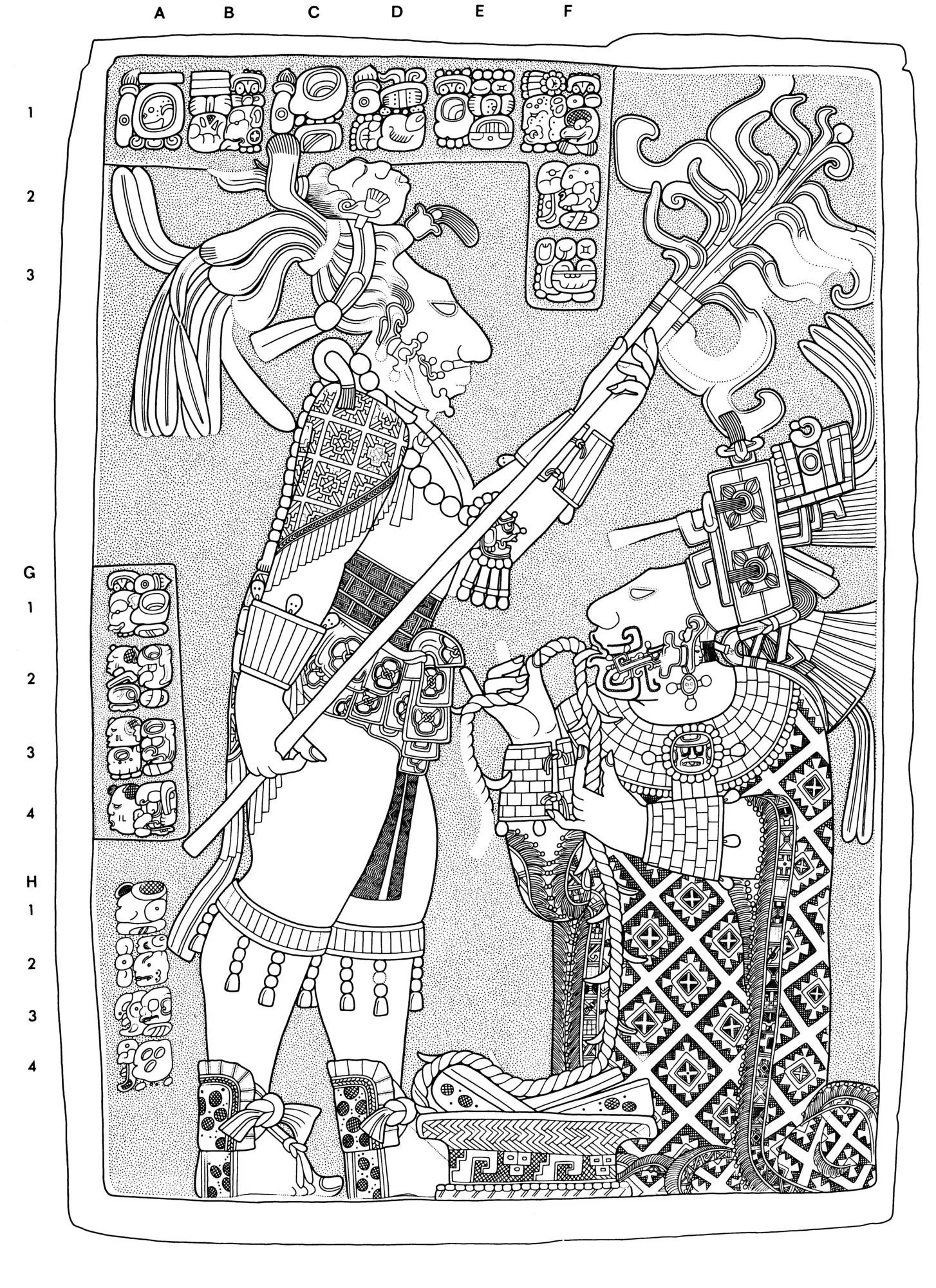
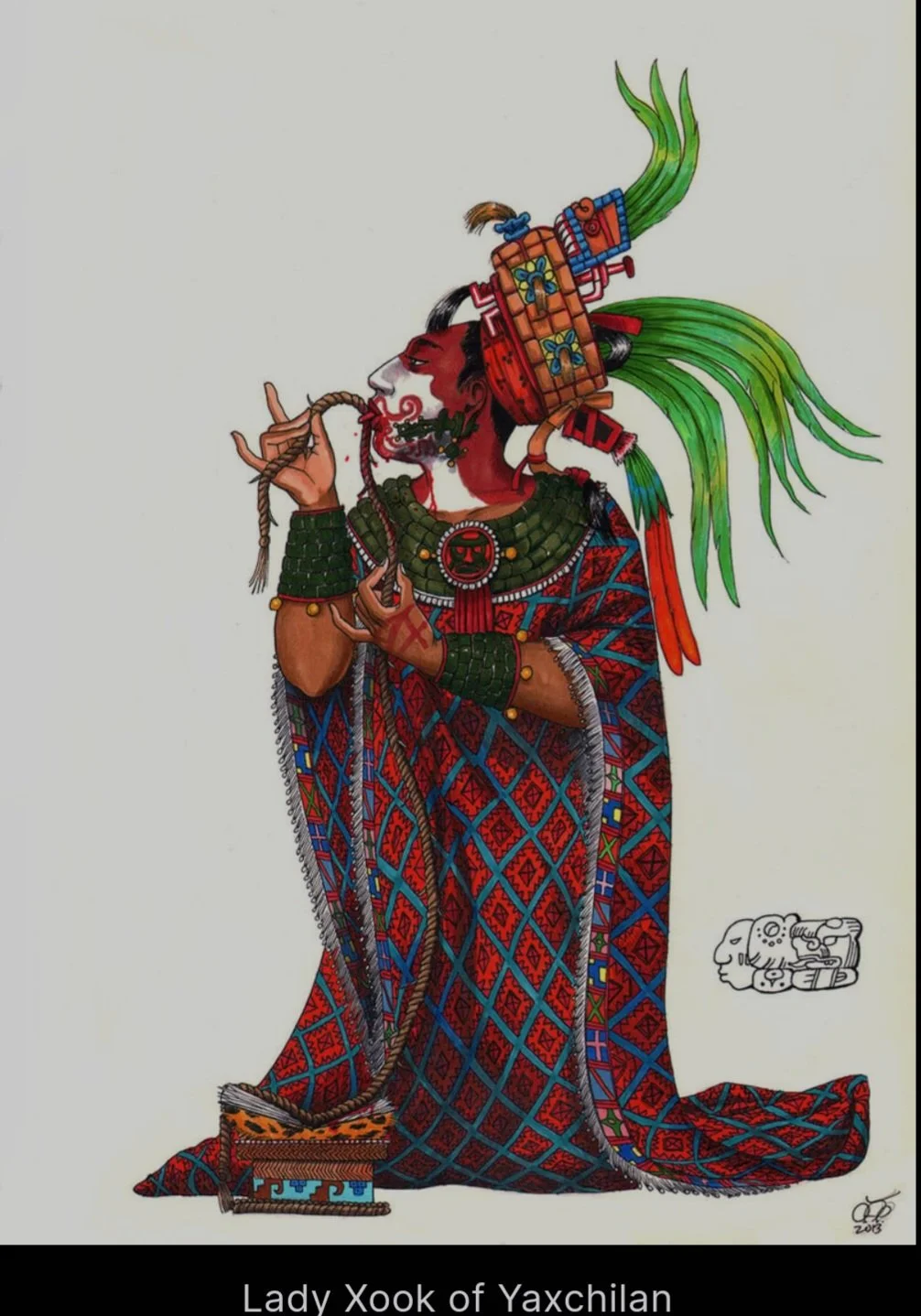
Our ancestral clothing is a physical representation of our still living culture. By wearing it, you connect spiritually with our ancestors found throughout Mexihco. This spirituality can be found in the symbols mentioned above and those found in many of the artisanal clothes found throughout Mexihco. The clothing allows you to connect to the culture and its spirituality.
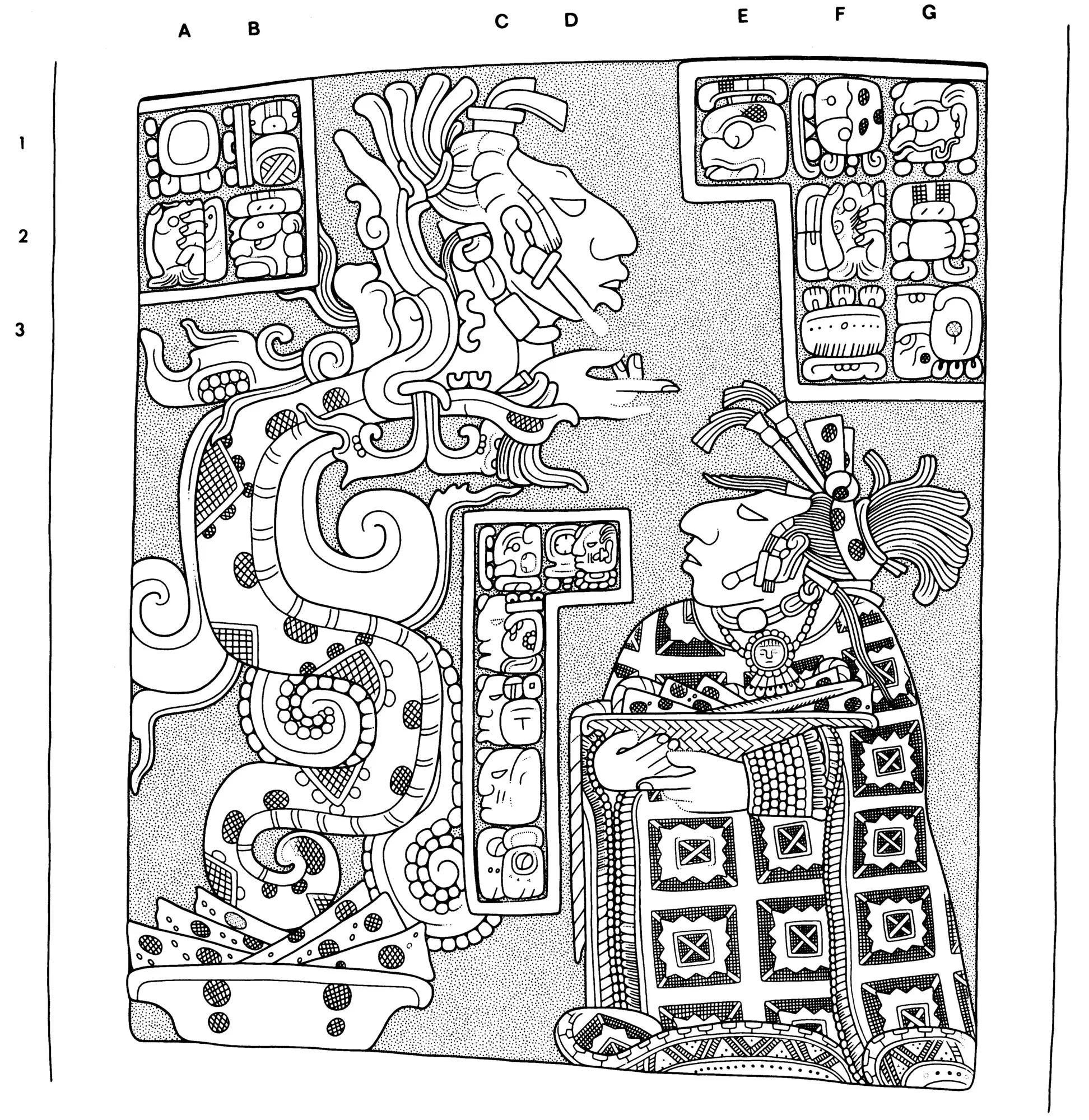
THE VALUE OF A HANDMADE GARMENT GOES BEYOND THE PRICE. IT IS A CONNECTION WITH THE HISTORY AND CULTURE OF OUR ANCESTRAL PEOPLE. EACH ARTISANAL GARMENT IS UNIQUE, HANDMADE WITH DEDICATION AND LOVE, AND NO OTHER PIECE WILL BE THE SAME AS YOURS.
THESE HANDMADE GARMENTS ARE MADE WITH HIGH QUALITY MATERIALS AND ARE MADE WITH ANCIENT & TRADITIONAL TECHNIQUES THOUSANDS OF YEARS OLD THAT ENSURE THEIR DURABILITY, ALLOWING YOU TO ENJOY THEM FOR MANY YEARS TO COME. THEY ARE THE RESULT OF CENTURIES OF TRADITION AND ANCESTRAL KNOWLEDGE TRANSMITTED FROM GENERATION TO GENERATION, CARRYING WITH THEM THE HISTORY AND SOUL OF OUR CULTURE. THROUGH EMBROIDERY, THESE ANCIENT COMMUNITIES ARE PROVIDED A STABLE INCOME THAT ALLOWS THESE ARTISANS TO CONTINUE MAKING WORKS OF ART.
All Papalotl Clothing garments are handwoven by Tzotzil Mayan women's cooperatives in Chiapas, Mexico using the traditional backstrap loom / telar de cintura.
THANKS TO YOUR SUPPORT, WE AT PAPALOTL, CAN CONTINUE TO WORK & PRESERVE THE CULTURAL IDENTITY AND TRADITIONS OF NOT ONLY THE MAYAN PEOPLE THAT LIVE IN THE SMALL TOWNS SURROUNDING SAN CRISTÓBAL DE LAS CASAS, IN THE HIGHLANDS OF CHIAPAS, BUT IN MANY OF THE PLACES IN MEXHICO.
THANKS TO YOU, WE WILL CONTINUE TO PROUDLY PROMOTE OUR NATIVE CULTURE OF MEXHICO AROUND THE WORLD. WE WILL ALWAYS CHOOSE OUR GARMENTS MADE FROM OUR ANCESTRAL HOMELAND.
ARE YOU READY TO CHOOSE THEM TOO?